
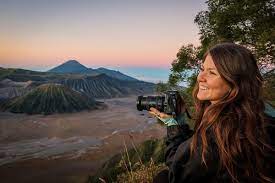
Travel photography is more than just capturing selfies in front of famous landmarks. It’s a storytelling medium, a way to transport viewers to new destinations and immerse them in the sights, sounds, and spirit of a place. Whether you’re a seasoned photographer or just starting with your smartphone camera, travel photography allows you to document your adventures and share them with the world in a compelling way.
Oceanexcursio | flyskytraffic | globetrekway | vacajourneyz | jetsettravelz
Capturing the Essence of a Place: Landscape Photography
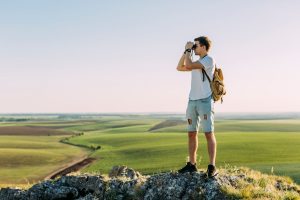
One of the most popular aspects of travel photography is capturing the beauty and grandeur of landscapes. From sweeping vistas of mountain ranges to serene coastlines, landscapes offer a chance to showcase the natural world’s majesty. When photographing landscapes, consider these tips:
Light is Key:
The quality of light can dramatically impact your photos. Aim for the golden hour, just after sunrise or before sunset, for warm, even light. Alternatively, shoot during cloudy days for a diffused, soft look.
Composition is Crucial:
The rule of thirds is a helpful guideline. Imagine dividing your frame into a 3×3 grid and placing your subject at the intersection points for a balanced composition. Leading lines, like a winding road or a river, can draw the viewer’s eye into the scene.
Embrace the Details:
While wide shots capture the vastness, remember the close-up details. Photograph interesting rock formations, colorful wildflowers, or unique textures that add depth and dimension to your story.
Portraits and Street Scenes: Showcasing the Human Element
Travel isn’t just about places; it’s about the people you encounter. Capturing portraits and street scenes allows you to connect with the local culture and tell the stories of the people who inhabit a destination.
Respectful Interactions:
When photographing people, always seek permission first. A simple smile and gesture can go a long way in establishing rapport.
Capturing Candid Moments:
Staged portraits can be beautiful, but candid shots often reveal the essence of a place. Observe people going about their daily lives, their expressions, and interactions.
Street Photography Tips:
Be mindful of your surroundings, and keep your camera settings adjusted for quick capture. Try varying viewpoints and angles to produce dynamic compositions.
Beyond the Obvious: Unveiling Culture and History
Travel photography delves deeper than just picturesque landscapes and tourist attractions. It’s about capturing the essence of a place, its cultural nuances, and its historical significance.
Tell a Story:
Look for details that showcase the local way of life. Photograph traditional clothing, architecture, religious ceremonies, or bustling marketplaces.
Embrace the Unexpected:
Don’t be afraid to stray from the beaten path. Explore hidden alleys, local festivals, or lesser-known landmarks to capture unique aspects of the culture.
Research Your Destination:
Learn about the local customs and etiquette before photographing people or religious sites. Be respectful and avoid capturing anything considered sacred or private.
Travel Photography Gear: It’s Not Just About the Camera
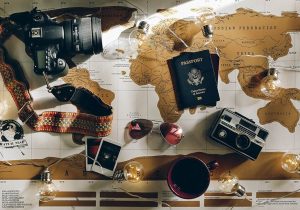
While a good camera can enhance your travel photography experience, it’s not the sole factor. Here’s some essential gear to consider:
A Sturdy Tripod:
Especially for landscape photography, a tripod ensures sharp images during long exposures or low-light conditions.
Neutral Density (ND) Filters:
These filters help control the amount of light entering the camera, allowing for slower shutter speeds for creative effects like silky smooth waterfalls.
Extra Batteries and Memory Cards:
Running out of power or storage space at a crucial moment can be frustrating. Pack backups to ensure you capture all the memories.
Editing Your Travel Photos: Bringing Your Vision to Life
Editing your photos allows you to enhance their visual impact and tell your story more effectively. Here are some basic editing tips:
Crop and Straighten:
Ensure your photos are well-composed and free of distracting elements. Cropping can tighten your composition and straighten horizons for a polished look.
Adjust Exposure and Color Balance:
Play with these settings to brighten shadows, adjust highlights, and achieve a color profile that reflects the mood of your image.
Sharpening:
Sharpening your photos adds clarity and definition, especially for landscapes and detailed shots.
Ultimately, travel photography is a journey of exploration, both of the world around you and your creative potential. By capturing the essence of a place, its people, and its culture, you create a visual narrative that can inspire and transport viewers. So, pack your camera, embrace the adventure, and start telling your travel story through the lens.